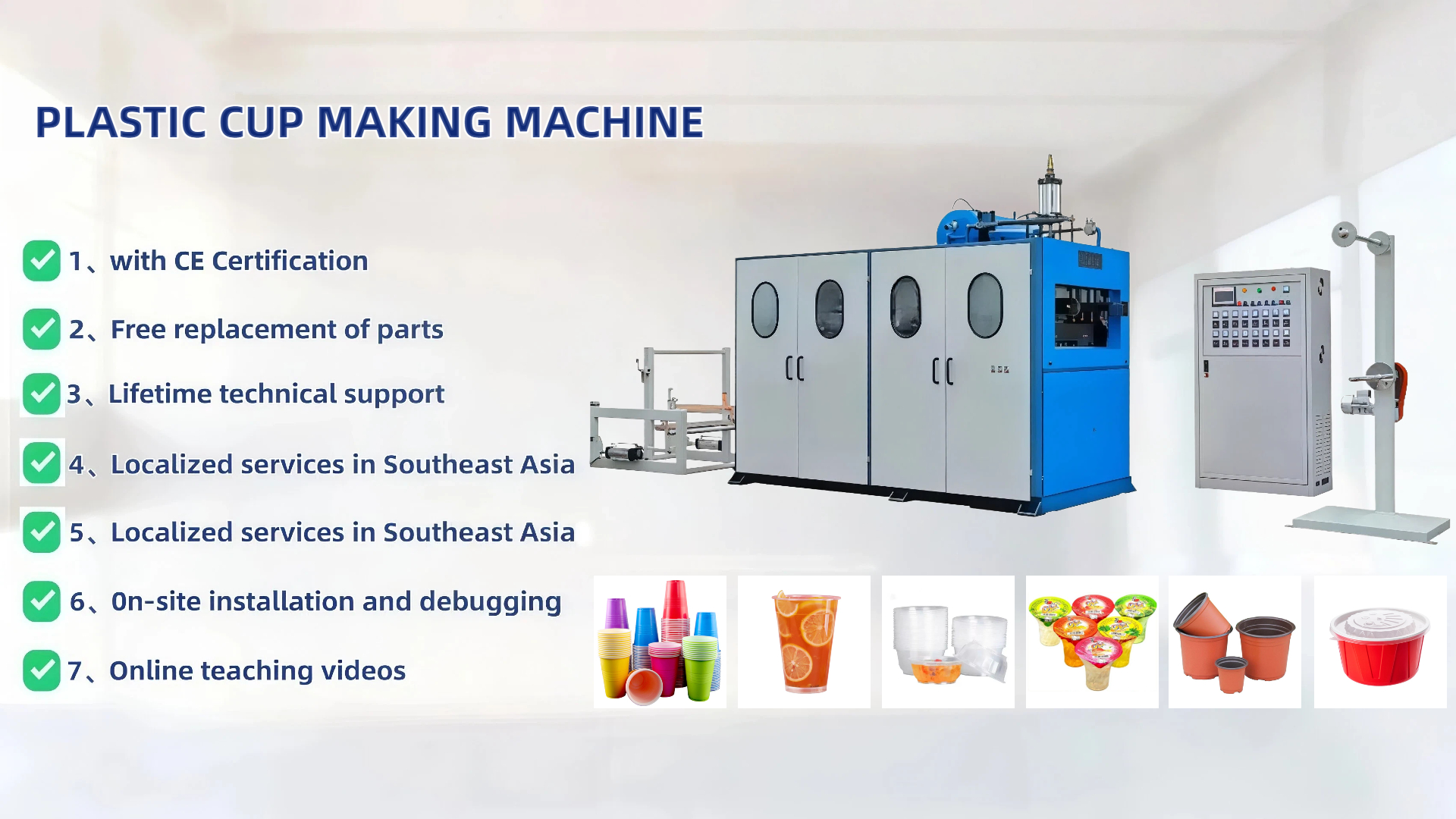
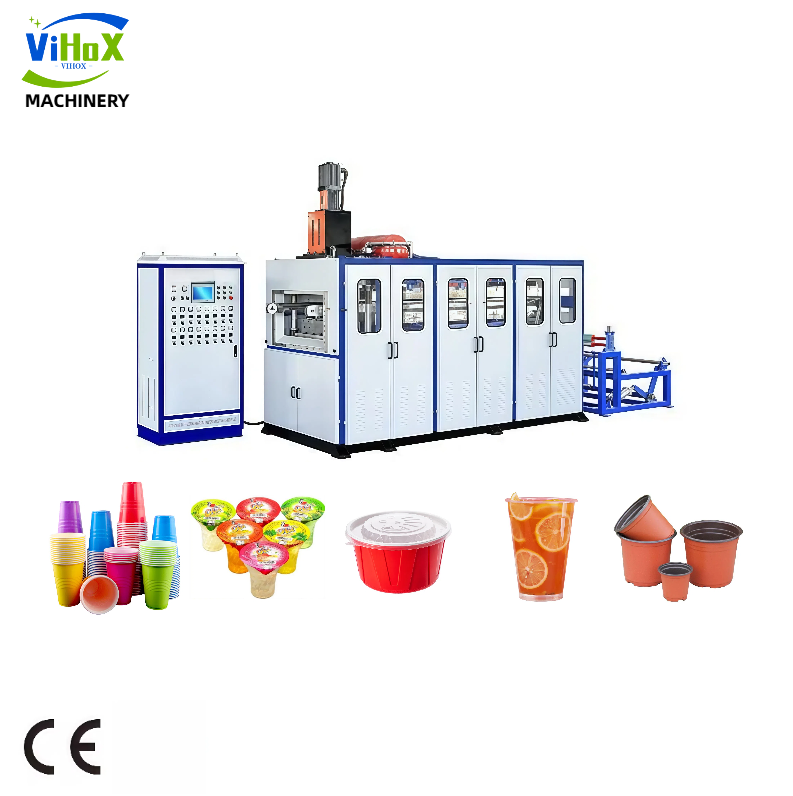
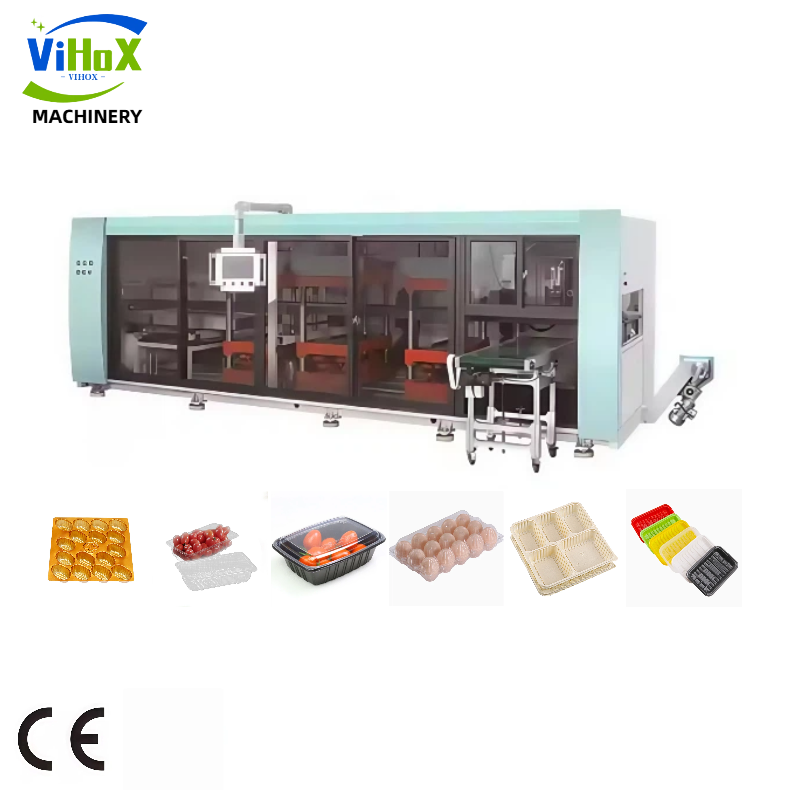
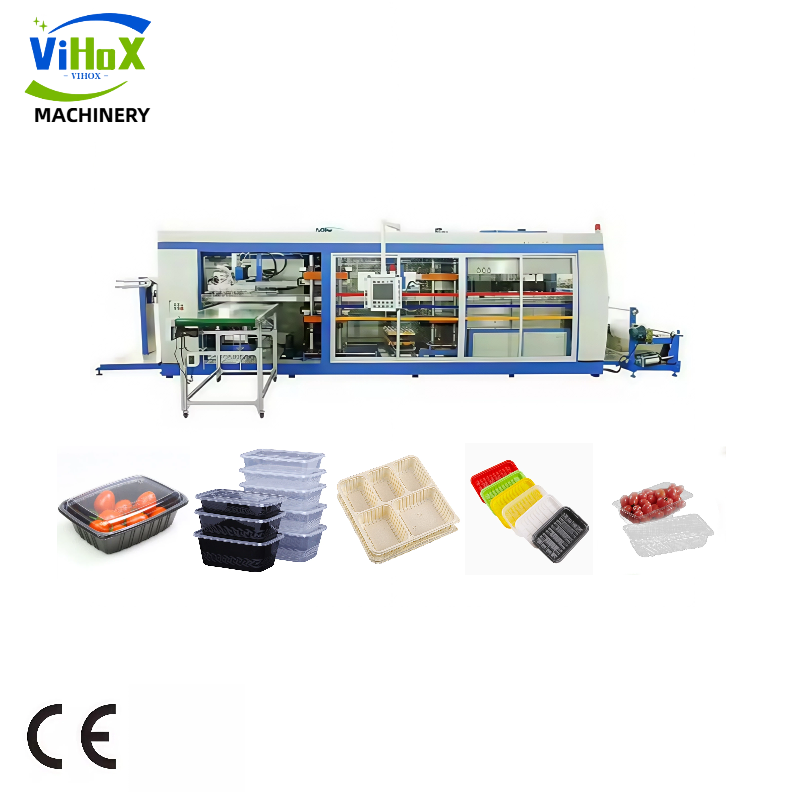
What Is a Plastic Vacuum Forming Machine?
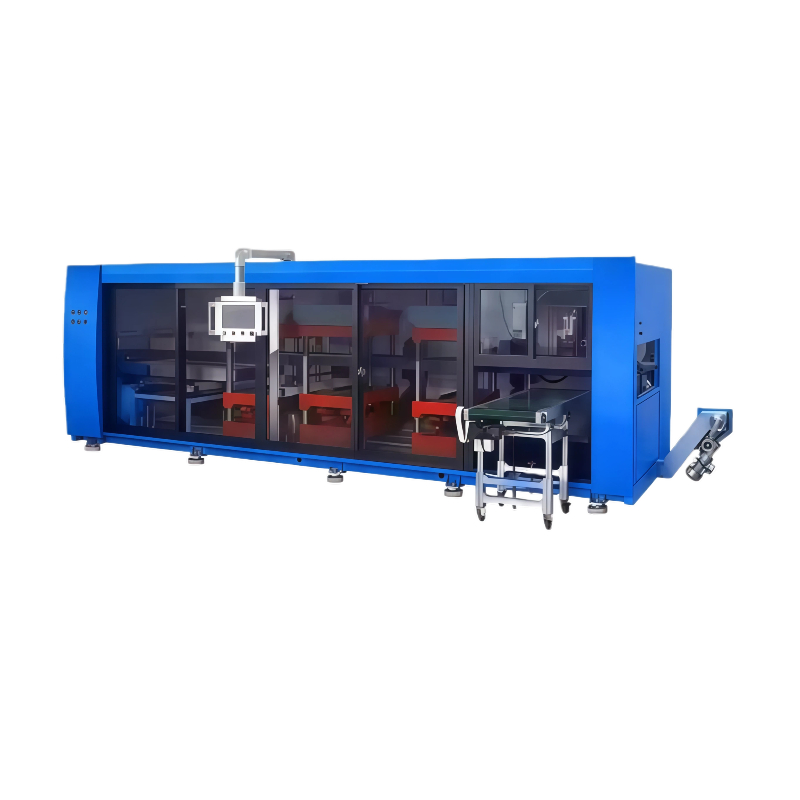
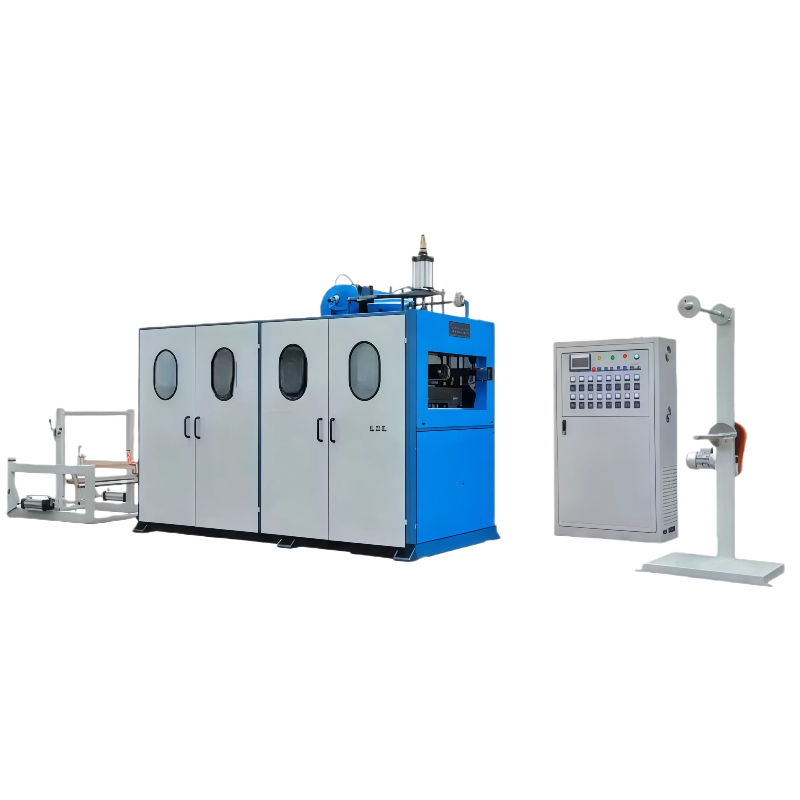
Modern plastic production focuses on speed, consistency, and cost efficiency to remain competitive.The thermoforming vacuum forming technology has been used by many manufacturers of packaging, industrial and consumer product to manufacture light weight plastic products. A plastic vacuum forming machine for food packaging, plastic tray forming machine, or automatic vacuum forming machine allows manufacturers to transform flat plastic sheets into trays, containers, and custom parts with high accuracy and repeatable production.
When the factories start plastic product manufacturing business, it is not about plastic shaping with a vacuum forming equipment.It is about the stable production of system. In ViHox, automatic vacuum forming machines and thermoforming equipment designed for packaging, tray production, and industrial plastic forming with accurate heating, stability of forming and effective cooling to facilitate sustained production in the industry. Regardless of whether manufacturers make packaging trays, protective covers, or custom plastic parts, it is always helpful to learn how vacuum forming works in order to secure the correct investment in equipment and the production efficiency in the long run.
This paper gives the definition of what vacuum forming is, the mechanism of vacuum forming machines, the difference between vacuum forming process and pressure forming process, the products usually produced using this process and the materials commonly used in thermoforming vacuum forming process.
2. How Vacuum Forming Machines Work
A plastic vacuum forming machine is used to shape plastic sheets in a programmed series of heating, forming, and cooling. Typical device parameter dimensions include forming area size, maximum sheet width, heating power, forming depth, cycle time per minute, and vacuum pressure range. These parameters determine how much the machine can produce per hour and what size of plastic products can be manufactured.
For example, an automatic vacuum forming machine may support sheet widths from 400 mm to 1200 mm, forming depths up to 250 mm, and cycle speeds of 6–20 cycles per minute depending on material type and mold design. Choosing the correct machine dimension is critical for stable production and profit control.
The process starts with the loading of a plastic sheet in the machine whereby it is heated until it becomes soft. Uneven heating can lead to material thinning and deformation during forming
After the sheet has been heated to the right temperature of forming, it is braced over a mold. The vacuum system will then evacuate the air in between the mold and the sheet dragging the softened plastic firmly against the mold surface. The vacuum pressure enables the material to lose its shape and impressions of the mold.
Once formed, the plastic is allowed to cool on the mold in order to stabilize the structure. The sheet thus made is then cut off to give the final product. The vacuum forming machines of the modern world strengthened with the heating control system, the vacuum pressure regulation system, and the automatic handling and management of the sheets helps to guarantee uniform production.
Our thermoforming vacuum forming machines at ViHox have a feature of constant heating and vacuum regulation, so that manufacturers can develop trays, containers, and packaging parts with good consistency with a consistent quality and cycle time.
3. Vacuum Forming vs Pressure Forming
Vacuum forming and pressure forming are under the thermoforming process. They mold plastic sheets and molds, which are heated to produce a product of shape. Nevertheless, the Pressure applied during the forming process produces some significant variations in detail, cost and use of products.
Knowing these differences enables manufacturers to select the appropriate plastic vacuum forming machine or thermoforming solution to meet their production requirements.
Vacuum Forming
Vacuum forming is the method in which a negative pressure is used to draw a sheet of plastic in a heated state onto the surface of a mold. The material is forced firmly onto the mold cavity after the air between the sheet and the mold has been removed and the air is forced out by the atmospheric pressure.
The reason why it is popular is that equipment is comparatively straightforward and production processes are effective. Vacuum forming equipment is applicable in production of goods that need medium detail and shape.
Typical advantages include:
- Lower mold cost
- Faster setup time
- Efficient production for large parts
Vacuum forming is a technology at ViHox that is meant to provide constant heating and vacuum force to enable the manufacturers to create packaging trays, industrial covers and protective shells of a consistent quality.
Pressure Forming
In pressure forming, vacuum and compressed air are used to force plastic sheet into the mold. As the sheet is pulled downward by vacuum, further pressure of the air moves the material into more detail of the mold.
This operation permits crisper finishes and more distinguished outlines in comparison to conventional thermoforming vacuum forming.
The process of pressure forming is used for products that typically require:
- Detailed surface textures
- Precise edges and corners
- Higher visual quality
However, pressure forming equipment typically involves higher tooling costs and more complex machine structures.
Choosing the Right Forming Method
Vacuum forming or pressure forming will be determined by the end product needs. In most packaging and industrial uses, vacuum forming offers the best trade off between price, speed, and quality of the product.
Manufacturers who necessitate constant production of trays, packaging materials or protective covers usually use vacuum forming as the procedure is economical and can be expanded.
In ViHox, we assist customers in assessing on the designs of their products and the quantities they want to produce to obtain the best thermoforming vacuum forming solution. The correct choice of equipment guarantees the effective production and manufacturing efficiency in the short-term.
4. Common Products Made With Vacuum Forming
Vacuum forming finds extensive applications in packaging, industrial and consumer product manufacturing due to the ability of the processes to have lightweight parts of plastics that factories can make efficiently due to the process. The range of products that can be made by a plastic vacuum forming machine is extensive because all one needs to do is change the molds and this allows the manufacturer to adapt to the market demand.
The following are some of the most typical type of products manufactured through the thermoforming vacuum forming technology.
Food Packaging Trays and Containers
Food packaging is one of the greatest uses of vacuum forming equipment. Supermarkets, food processors and takeaway business involve high volumes of trays and containers that are used in packaging fresh products.
The materials used in making items using vacuum forming machines include:
- Fresh meat trays
- Fruit packaging trays
- Bakery containers
- Ready-meal trays
Such products demand regular thickness, smooth surface and stability in their stacking behaviors during transportation.

Blister Packaging
Blister packaging is commonly used for retail products such as electronics accessories, medical devices, and consumer goods. Vacuum forming allows manufacturers to create clear plastic shells that protect the product while allowing it to remain visible on store shelves.
The process provides accurate product cavities that hold items securely inside the packaging.

Industrial Plastic Covers and Housings
Numerous industrial parts have to be covered by plastic shells. A plastic vacuum forming machine has the capability of making light enclosures to protect machinery or to cover transportation or panel of equipment.
They are commonly designed as consisting of heavier sheets so as to provide a structural strength and to maintain the cost of manufacturing at a level that is good to manage.

Automotive and Equipment Components
Interior panels, protective covers and structural plastic equipment and vehicle parts are also made by the use of vacuum forming. Manufacturers use thermoforming vacuum forming to make these components due to its capability to make larger components at a lower cost in terms of tooling as compared to injection molding.

Consumer Product Packaging
A lot of common items are presented and secured with the help of vacuum formed packaging. Items such as electronics accessories, toys, tools, and cosmetic products are frequently packed into thermoformed packaging trays or inserts in order to organize and to install the item safely during shipping.

Why Product Flexibility Matters
The capacity to change the product designs with replacement of molds is one of the greatest strengths of vacuum forming. This enables manufacturers to reconfigure the production line to the new industries, without having to upgrade the large machine.
Our plastic vacuum forming machines at ViHox are made to accommodate various mould patterns and therefore the manufactures can make different packaging and industrial products with the same vacuum forming machine. This flexibility aids factories to increase product range and at the same time production efficiency is kept constant.
5. Materials Used in Vacuum Forming
The choice of materials during vacuum forming is of significance since various plastics act differently during heating and shaping. The success of a plastic vacuum forming machine depends on the ability of the material to soften, stretch over the mold and be stable in cooling.
The manufacturers are selecting materials depending on strength of the product, clarity, heat resistance, and cost of the product. The current vacuum forming machines have the ability to form multiple thermoplastic sheets that are usually applied in packaging and industrial manufacturing.
Our thermoforming vacuum forming machines at ViHox are set up with a broad selection of materials to allow the manufacturers to vary the production with market demand.
Polypropylene (PP)
Polypropylene is also applied in packaging of food. It has good heat resistance and structural strength hence is applicable to the products that might contain hot food or those that might need to be compatible with microwaves.
PP is commonly used for:
- Food trays
- Meal containers
- Disposable food packaging
Polystyrene (PS)
Lightweight packaging is commonly provided in polystyrene, which is a relatively cheap material. It is good in terms of rigidity and clarity of the surface and hence it can be used as disposable packaging tray and retail packaging inserts.
The PS sheets can be easily shaped and they are used heavily in thermoforming vacuum forming manufacturing.
PET (Polyethylene Terephthalate)
PET is appreciated by its openness and robustness. It is also applied in transparent packaging where the visibility of the product is a concern.
Common vacuum formed products are PET:
- Fresh produce containers
- Retail packaging trays
- Protective blister packaging
PET requires proper temperature control during forming to maintain surface clarity.
PVC (Polyvinyl Chloride)
Vacuum forming involves the use of PVC sheets in instances where the product needs chemical resistance or structural strength. They are popular in packaging and housings of equipment in industries.
Common Vacuum Forming Materials Comparison
| Material | Key Properties | Common Applications |
| PP | Heat resistant, durable | Food containers, trays |
| PS | Lightweight, cost-efficient | Disposable packaging trays |
| PET | High clarity, strong | Retail packaging, blister packs |
| PVC | Chemical resistance, durable | Industrial covers, protective packaging |
The performance of forming is enhanced, along with the durability of the products and the total efficiency of production, as a result of implementing the right material. An optimally optimized vacuum forming machine needs to have constant heating and forming parameters of a given material type.
We assist manufacturers to choose the material that fits their product needs at ViHox where the manufacturing process produces an appropriate vacuum forming equipment that has a consistent performance and does not waste too much.
How a Vacuum Forming Machine Helps Manufacturers Make Profit
When a vacuum forming machine is invested by the factories, not only shaping plastic is a major concern, but is the equipment capable of bringing stable profit. There are four main questions normally asked by manufacturers before purchasing a thermoforming machine.
Can the Machine Make Money?
A vacuum forming machine with a good design that can be used in food packing or in plastic trays could be used on a continuous operation capable of producing thousands of pieces in one hour thus appropriate in the industries where there were mass production.
How Much can it Produce per Hour?
Production capacity depends on machine size and cycle speed. A medium automatic vacuum forming machine can produce 300–1200 trays per hour, while high-speed thermoforming machines can produce much more.
How Long Does it Take to Break Even?
Most manufacturers recover machine cost within 6–18 months depending on production volume, material cost, and product demand.
Is the Machine Stable for Long-Term Production?
Stability depends on heating control, vacuum pressure system, cooling efficiency, and machine structure. A reliable thermoforming machine manufacturer designs equipment for continuous industrial operation.
At ViHox, we design machines focused on stable production, high output, and fast return on investment, which are key concerns for packaging and plastic product factories.
Conclusion
A plastic vacuum forming machine is an effective method which manufacturers use in transforming plastic sheets into useful items like packaging trays, containers, protective housings, and industrial parts. Thermoforming vacuum forming can also provide a consistent quality of product with rapid production cycles and reduced tooling cost when the heating, vacuum pressure and cooling processes are well managed, as compared to most other plastic manufacturing processes.
Designing steady vacuum forming equipment would help us to maintain stable industrial manufacturing and flexible production of products at ViHox. Be it packaging trays, consumer product inserts or protective plastic parts, determining a suitable plastic vacuum forming machine will guarantee predictable production and sustainability of production over time. Well-designed forming system gives the manufactures power to cut down on waste, assure product consistency and venture into new packaging market without fear.
Frequently Asked Questions
1. What does a plastic vacuum forming machine do?
A plastic vacuum forming machine heats plastic sheets and shapes them over molds using vacuum pressure. The process allows manufacturers to produce trays, packaging components, and industrial plastic parts with consistent shape and thickness.
2. How do I choose the right vacuum forming equipment?
You choose the right vacuum forming equipment by considering sheet size, material type, production volume, and product design. Machines should match your mold size and heating requirements to ensure stable forming and efficient production.
3. What industries commonly use thermoforming vacuum forming?
Thermoforming vacuum forming is widely used in packaging, food processing, electronics retail packaging, and industrial manufacturing. Many companies rely on vacuum forming to produce trays, blister packaging, equipment covers, and protective product housings.
4. Can one plastic vacuum forming machine produce different products?
Yes. A plastic vacuum forming machine can produce different products simply by changing the molds. This flexibility allows manufacturers to produce trays, packaging inserts, containers, and other plastic parts on the same machine.
5. Why choose ViHox vacuum forming machines?
Choosing ViHox vacuum forming equipment ensures stable heating control, reliable vacuum pressure systems, and machines designed for continuous industrial production. Our systems help manufacturers achieve consistent product quality while maintaining efficient production cycles.